



A safe is one of those purchases where a small oversight can leave your documents, valuables, or firearms exposed in the exact situation you were trying to prevent. Before you spend a dollar, it helps to understand the three factors that matter most: size, fire rating, and locking mechanism. We have helped homeowners and businesses across Holly, MI and Oakland County select, place, and service safes for over a decade, and these are the questions we hear most often.
What Size Safe Do You Actually Need?
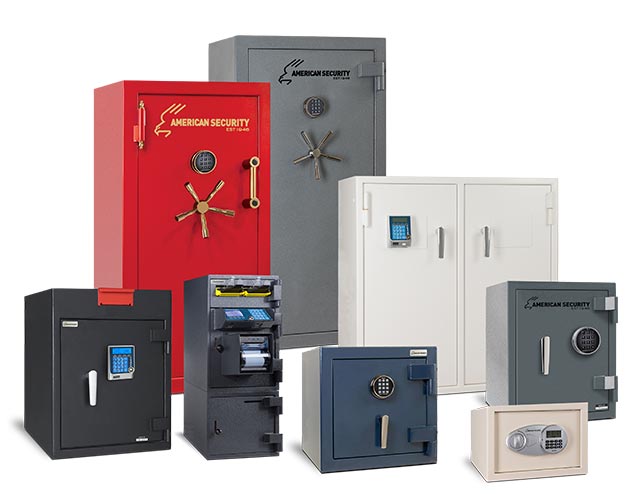
The most common mistake buyers make is underestimating how much space they need. A safe that feels roomy in a store fills up fast once you add documents, hard drives, jewelry, and a firearm or two. Calculate what you plan to store today, then buy one size larger to account for future additions. Interior cubic footage matters far more than the exterior footprint, so always check usable space rather than the size of the box itself.
Weight and placement are equally important. A heavier safe is harder to steal, but it needs a floor that can support it. Ground-level placement is ideal, and anchoring to a floor or wall significantly reduces theft risk. Our team at LKE's safe services can help you think through placement and anchoring as part of the installation process.
How Do Fire Ratings Work and Which One Do You Need?
A rating like "UL 350 for 1 hour" means the interior temperature stayed below 350 degrees Fahrenheit for one full hour in controlled testing. Paper ignites around 451 degrees, so a 350-degree rating protects documents effectively. Electronic media like hard drives and USB drives can be damaged at temperatures as low as 125 degrees, which means standard fire ratings are not enough if digital storage is your priority.
Always look for ratings from independent testing labs such as Underwriters Laboratories rather than manufacturer-only claims. Common ratings include:
- UL Class 350: protects paper documents
- UL Class 150: protects magnetic media and optical discs
- UL Class 125: protects digital storage devices
- Duration ratings of 30 minutes, 1 hour, or 2 hours depending on structure size and content value
If you are unsure what level of protection fits your situation, our safe sales team can walk you through the options specific to your property type and what you plan to protect.
Keypad vs. Dial: Which Lock Type Is Right for You?
The right answer depends on how you use the safe day to day. Here is a quick comparison to help you decide:
- Electronic keypads are fast, convenient, and easy to use in low light
- Keypads allow combination changes without a locksmith and support multiple users
- Mechanical dials require no power, have no electronic components to fail, and resist tampering
- Dials are slower to open but are ideal for long-term or commercial storage where the combination rarely changes
Most modern keypads include a backup key override in case of battery failure, which is an important feature to verify before you buy. If you ever lose access to a safe, our safe unlocking service can help recover access without unnecessary damage to the unit.
Are Biometric and Smart Lock Options Worth Considering?
Biometric safes that use fingerprint readers have become more affordable and are popular for quick-access scenarios like bedside gun safes. The tradeoff is reliability. Fingerprint readers can struggle with wet or injured fingers, and cheaper units have been known to fail over time. Always prioritize models with a backup keypad or physical key so you are never fully locked out.
Smart safes with Bluetooth or app connectivity offer features like access logs and remote alerts, but they also introduce cybersecurity considerations. For most residential buyers, a quality electronic keypad or a well-built mechanical dial remains the more practical choice. Whatever lock you choose, make sure it carries an independent certification rating. If you need combination changes or lock servicing on an existing safe, our safe drilling and repair services are available when standard methods are not an option.
Don't Overlook Installation and Anchoring
Even the best safe becomes far less secure if it is sitting unanchored on the floor. Most residential safes can be bolted to a concrete slab or wooden subfloor using the anchor points built into the base. Wall safes and in-floor safes offer better concealment but require professional installation to ensure the surrounding structure supports the weight and provides a secure fit.
One customer we worked with had purchased a quality fire safe but left it loose in a closet for months. Once we anchored and repositioned it, she had real peace of mind knowing it would stay put. If you are looking for broader security upgrades, our residential locksmith services in the Holly and Oakland County area cover everything from lock upgrades to full access control.
Putting Your Safe Buying Checklist Together
Before you make a purchase, work through these core questions:
- What are you storing, and how much space will it require now and in a few years?
- What fire rating matches your contents, especially if you are protecting digital media?
- Does your daily use call for keypad convenience or dial reliability?
- Will the safe be anchored securely, and can your floor handle the weight?
Getting all four answers right before you buy is the difference between a safe that does its job and one that creates a false sense of security. Whether you need help selecting the right unit, servicing an existing safe, or recovering access to one that is locked, you can reach out through our contact page to schedule a consultation at a time that works for you.